
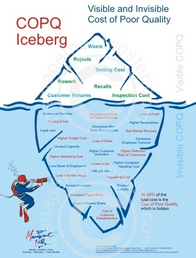
When seeking to measure and compare the performance of employees, many public service provides often focus on efficiency measure. To illustrate, take a moment or two to ponder this hypothetical scenario: Given the same resources (time, tools, training, etc), one of the workers in your team (let's call him Bob), on average, repairs 10 potholes in a day whilst his colleague Billy repairs only 7
Can we have some change please?
'Nurse, how's the mayor who swallowed those quarters doing? 'No change yet...' **cheesy grin** OK, that's the pun out of the way, down to serious business. "Nothing is certain except for death and taxes". That famous quote attributed to Benjamin Franklin highlights the inevitability of change. So it's to be expected that the world in which the public service provider operates will change.
Hey, how are you/we doing?
When it comes to obtaining feedback on their performance, many public service providers primarily turn to those citizens who have consumed their service via customer satisfaction surveys for example. It seems to make sense – after all, who best to comment on the service than those who have experienced it directly? However that approach ignores the differences between outputs (the end results of a
Disaster Recovery – An Approach to Managing Volunteers
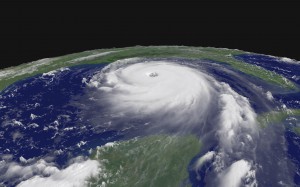
Disaster Recovery from ICMA International: In the course of conducting after-action reports following the terrorist attacks of September 11, 2001, and Hurricane Katrina in 2005, the U.S. Federal Emergency Management Agency (FEMA) noticed a common theme: unprecedented numbers of spontaneous volunteers, most of whom were not affiliated with an established volunteer agency, streamed into
So what’s your story?
As we highlighted in a previous post, the value delivered by public services is often opaque. As result, a rationale or ‘story’ needs to exist to justify the provision of funding for the public service provider. Every now and again, this rationale is put in the spotlight and re-examined by actors and events outside the control of the public service provider. For example, when a high-profile
